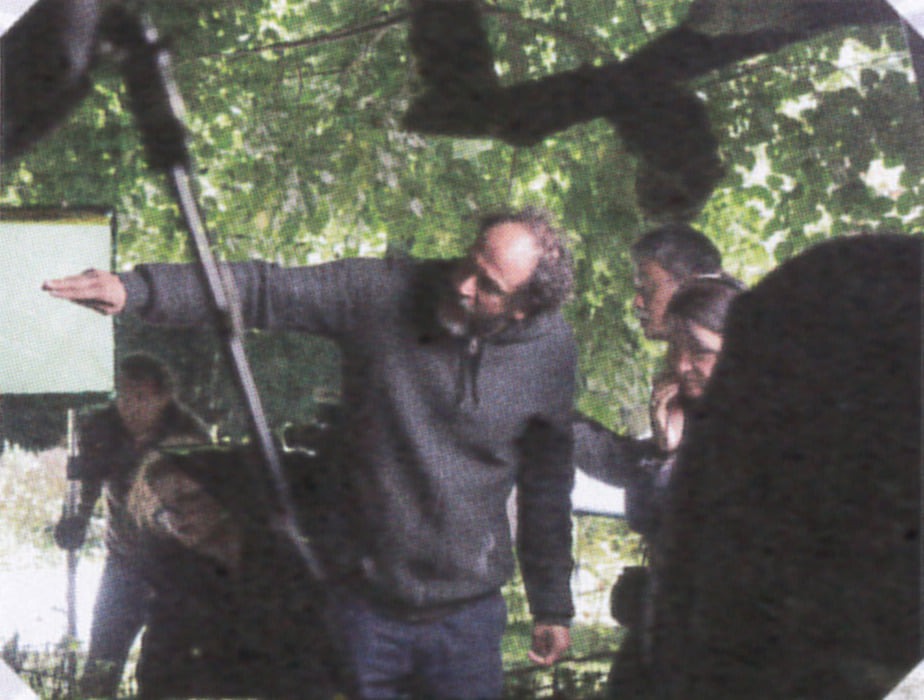
Some stories from Call Me by Your Name don’t come from the finished film, but from the time spent making it. The choices, delays, routines, and small decisions that shaped how the film finally came together often say just as much as what appears on screen.
Collected from conversations with the creative team, these reflections offer a glimpse into how the film was made — not as a fixed plan, but as something that slowly found its form through patience, timing, and attention to detail.
“I don’t want Call Me by Your Name to be perceived as a hyper-intellectualized opus, but as a tender love story that affects an audience in an uplifting way.”
— Luca Guadagnino
The novel on which the film is based is a memory piece — André Aciman is a noted Proustian scholar — told from Elio’s perspective. The filmmakers, however, chose to place the story firmly in the present.
“We wanted to reflect the essence of the book, but that didn’t mean doing it literally the same way,” says Guadagnino. “We had to take some routes that were different.”
While James Ivory’s original screenplay included a modest amount of voice-over narration, none of it made it into the final cut of the film.
As each summer approached, new versions of the film came close to being made. But if an actor’s or director’s schedule shifted, the producers didn’t have the option of simply moving the shoot to another season.

“There was just one time every year that it could be shot, and if you missed that window, you had to wait a year to get back on the runway and wait for takeoff,” says Spears.
Shooting near his home added comfort and simplicity to the process — not just for Guadagnino himself, but for the entire production.
“I wanted to indulge in the luxury of sleeping in my own bed,” says the director.
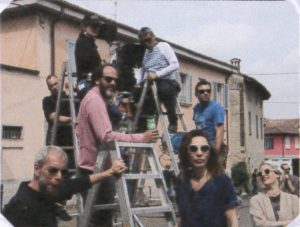
Most of the film’s locations are in the immediate surroundings of Crema. When the production moved farther away — to Lake Garda for the archaeological scenes or to Bergamo for Elio and Oliver’s trip — it was still no more than an hour and a half’s drive.
“Every now and then something would appear from Luca’s own house,” says Spears. “A plate or a bowl, or something that he somehow knew gave the scene a little more verisimilitude and felt to him like: ‘This is the Perlman home.’”
Knowing how much care went into choosing the places, the timing, and even the smallest objects makes the film feel even more personal when you watch it again.
Images: Call Me by Your Name Japanese brochure
Read the second part: Becoming Call Me by Your Name