
Did You Notice the Flies?
Watching Call Me by Your Name doesn’t feel like simply following a story. It feels closer than that. The film pulls you into its world so completely that you stop looking for meaning and start noticing details — small, ordinary things that suddenly seem impossible to ignore.
And speaking of being present — did you notice how often insects appear in the film?
Flies and bees move through many scenes. They land on the music sheets Elio is working on, buzz loudly while Elio and Oliver lie in the grass after a bike ride, or hover around the breakfast table. They are never highlighted, yet they are hard to miss.
The Fly in the Final Shot
The most memorable appearance comes in the film’s final shot. Elio sits in front of the fireplace, his face caught between memory and loss, as Visions of Gideon plays. The image lasts for several minutes — already powerful on its own.
And then there is the fly.
As emotions swell, a fly calmly moves across Elio’s sweater, his face, his hair — seemingly undisturbed, staying within the frame for far longer than one would expect.
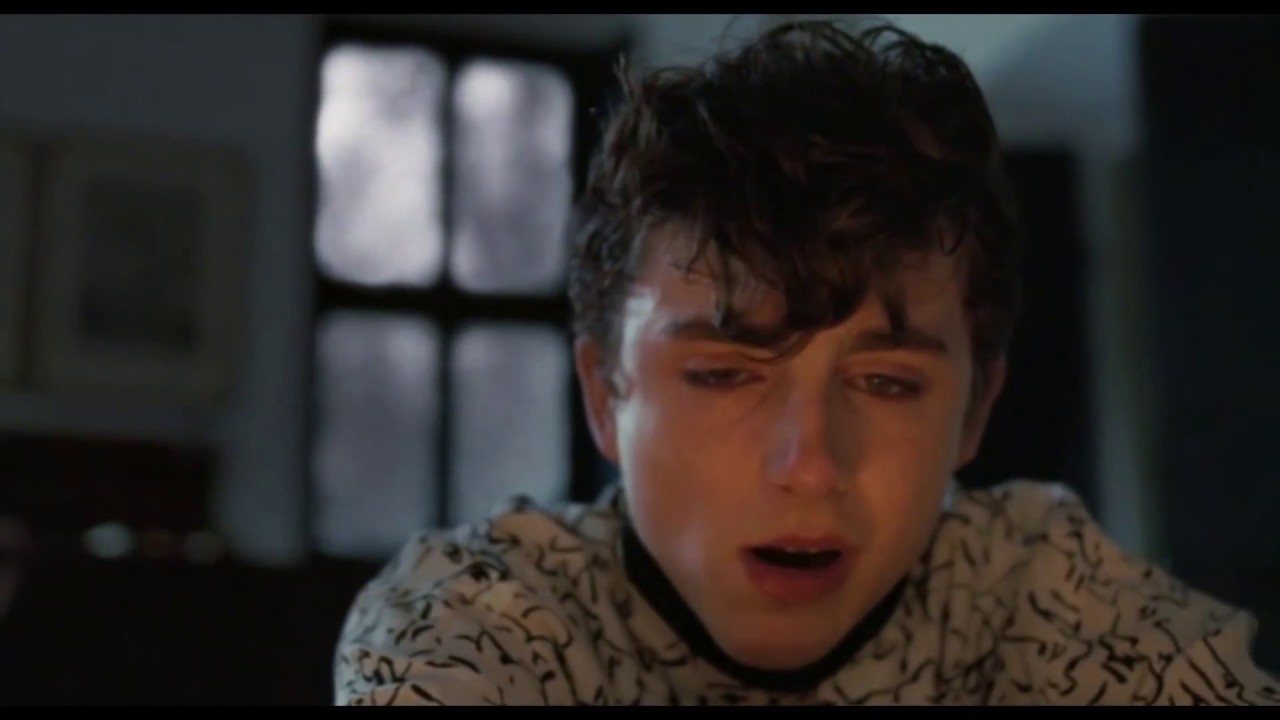

This final shot inevitably raised questions. Were the flies meant to be there? Did they serve a purpose?
What Could They Mean?
One practical explanation is obvious: filming took place among fruit trees during hot summer days. Flies would have been unavoidable. But in a film so carefully composed, it’s hard to imagine them being left in by accident if they truly disrupted the image.
Flies do not appear in the novel, which suggests that their presence was a directorial choice by Luca Guadagnino — whether symbolic, practical, or both.
Why flies? Perhaps because they fit naturally into the world of the film. A long, warm summer makes their presence plausible, almost invisible — and therefore effective.
Some critics have speculated on their meaning. Writing for Slate, Eleanor Cummins suggested that insects, with their short lifespans, might reflect the fleeting nature of Elio and Oliver’s relationship. Others point out that flies are often associated with decay or discomfort. Refinery29 once noted that “it’s harder to look away when something moves.” In otherwise still, quiet scenes, flies introduce motion — keeping the viewer’s eye engaged.
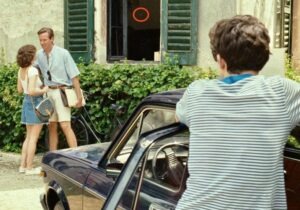
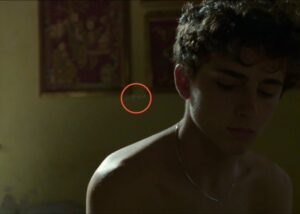
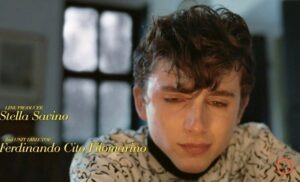
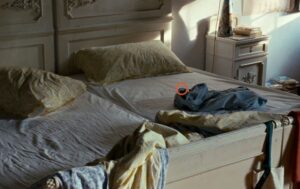
Images via X (Twitter): Marius @chalamarius
Among fans, the flies have long been a topic of discussion. Here are a few reflections shared by viewers:
“They probably weren’t intentional. But it’s fascinating to read how people analyse their meaning. It shows how powerful this film was, and how deeply it affected us.”
“I honestly don’t believe Luca was indifferent to the flies. How random would it be to have a fly inside a house in winter — let alone landing on the main actor and staying there throughout the entire scene?”
“The flies also enhance the idea of scent and sweetness that runs through the whole film. They create a sense of summer and make everything feel more real.”
So what does Guadagnino himself say about all this?
Nothing. He has consistently declined to explain why flies appear throughout the film. And perhaps that is exactly the point. The flies remain one of the film’s unanswered details — left deliberately open, allowing each viewer to notice them, ignore them, or assign their own meaning.