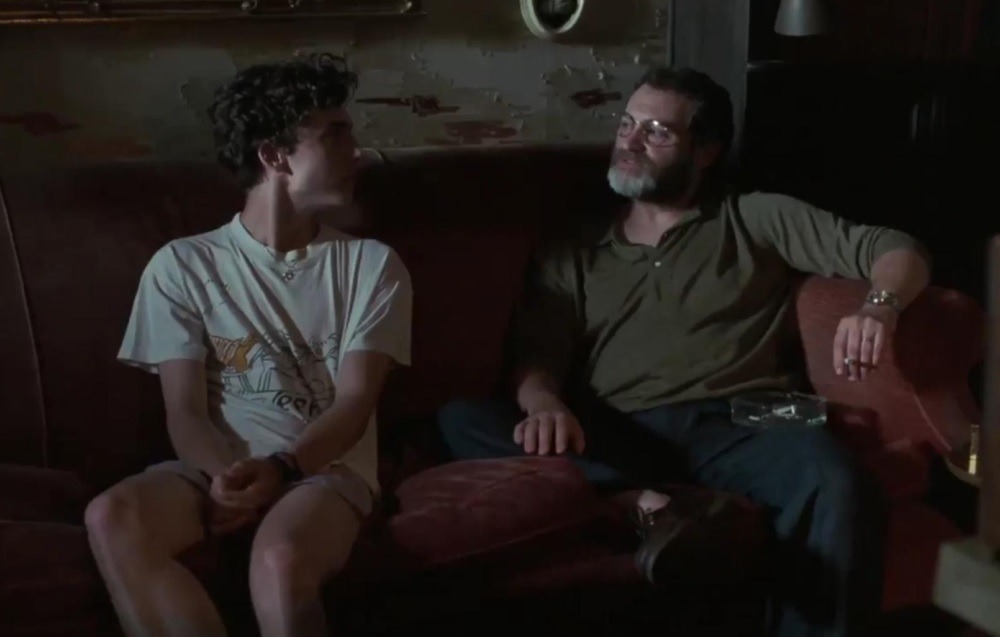
One of the scenes people keep returning to in Call Me by Your Name is the conversation between Elio and his father near the end of the film. It’s a moment many fans remember most clearly — the one that stays with you after the film is over. Michael Stuhlbarg’s performance, and the words he delivers, have sparked countless discussions about what Mr. Perlman is really saying, and what he might be revealing about himself.
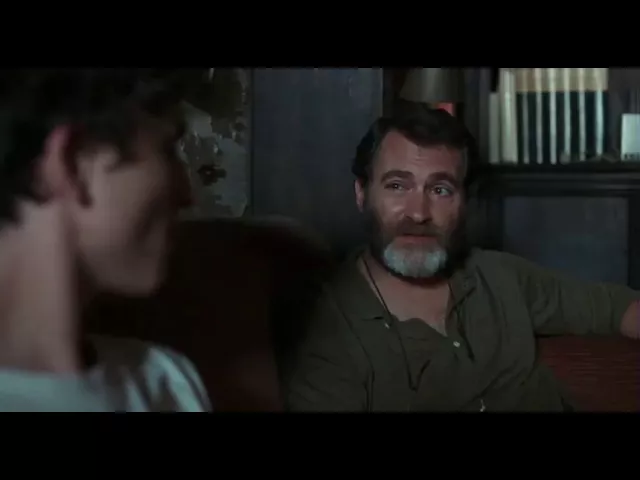

“When you least expect it, nature has cunning ways of finding our weakest spot,” Samuel tells his heartbroken son, Elio.
“But remember, I’m here. Right now, you may not want to feel anything. Maybe you never wanted to feel anything. And maybe it’s not to me that you’ll want to speak about these things. But feel something you obviously did.”
He continues:
“Look, you had a beautiful friendship—maybe more than a friendship. And I envy you… Let me say one more thing. I’ll clear the air. I may have come close, but I never had what you two had.
Something always… held me back, or stood in the way.”
When Elio asks whether his mother knows, his father answers simply:
“I don’t think she does.”
For many viewers, this exchange felt loaded with meaning. Some interpreted Samuel’s words as an admission of regret over a love he never allowed himself to fully experience — and, more specifically, as a suggestion that he may have felt attraction to men himself. The idea that Mr. Perlman envies Elio not just for love, but for the freedom to live it, has become a common reading of the scene.
But is that what the monologue was meant to convey?
In an interview with GQ, André Aciman was asked directly about this interpretation. The monologue in the film is taken almost word for word from the novel, and Aciman was clear that this particular reading was not something he consciously intended when he wrote it.
“This was not at all my intention when I wrote the book,” Aciman said.
At the same time, he acknowledged that the film itself opens the door to that understanding.
“The movie has basically validated that particular approach. And I have to say that I can see that this is equally a valid approach to the father’s speech. The father may have been attracted to men or not, we don’t know from the book.”
Aciman draws a careful distinction between page and screen. While the film allows viewers to infer more about Samuel’s inner life, the novel leaves that question unresolved.
“From the movie, you have every right to infer that. But not in the book. So when he splits with his wife [in the sequel], he’s not splitting because he has homosexual tendencies, but simply because something must have gone wrong in their marriage.”
What makes this monologue so powerful is that it never gives a single, clear answer. André Aciman didn’t write it to explain Mr. Perlman’s past in detail, and the film doesn’t force one meaning either. Instead, it leaves space — for Elio, and for us. Maybe that’s why the scene still matters so much to fans: everyone hears something slightly different in it, depending on where they are, and what they bring with them when they watch.